10 Amazon KDP Book Ideas With Proven Demand for Beginners
What You'll Learn
- What Makes a Good KDP Niche for a Beginner?
- 1. True Crime Story Collections
- 2. Short Stories for Seniors
- 3. Fun Fact and Trivia Books
- 4. Devotional Books
- 5. Inspirational Sports Stories
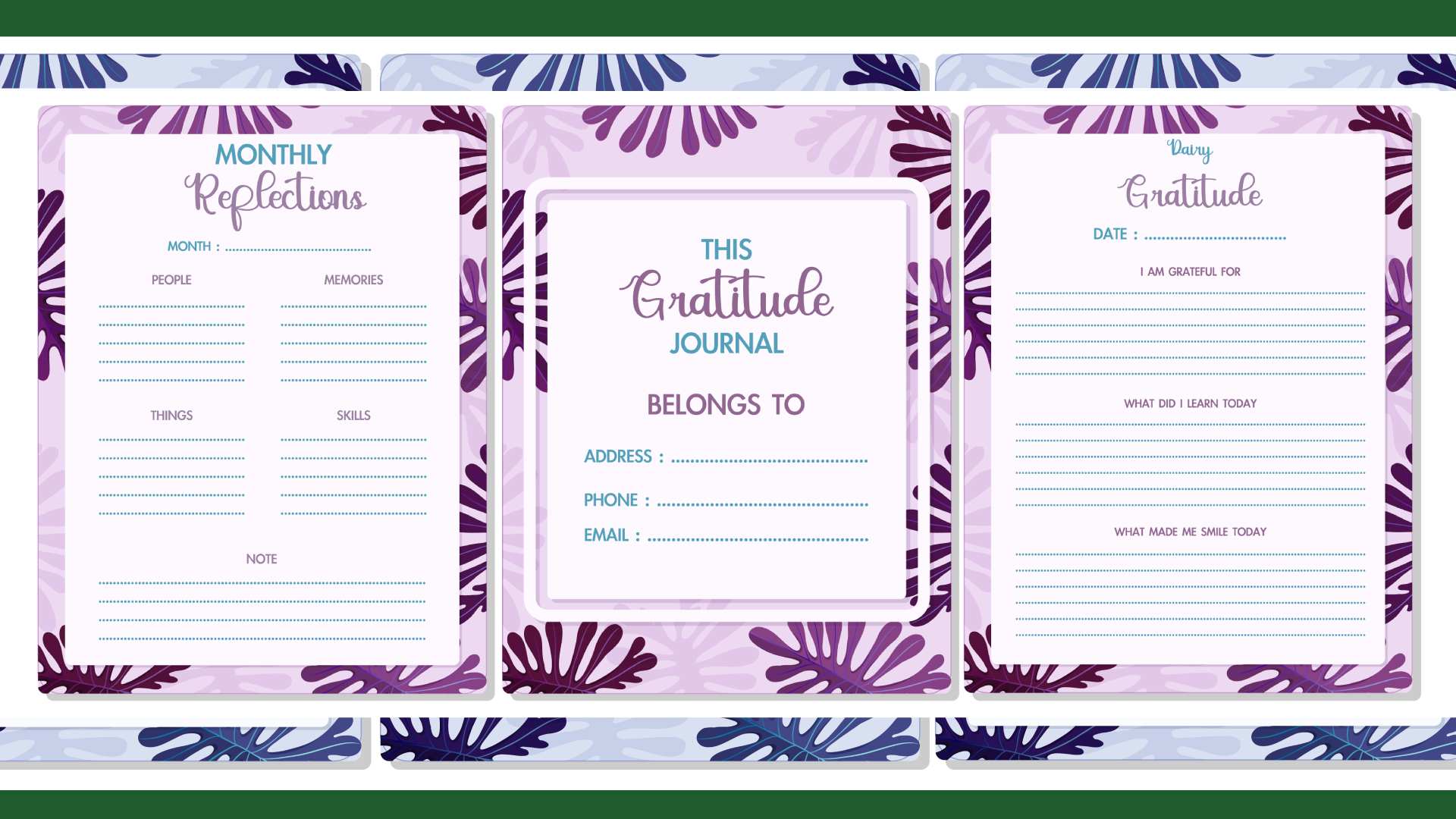
- 6. Niched Cookbooks
- 7. Bold and Easy Coloring Books
- 8. Practical Log Books
- 9. Purpose-Driven Notebooks
- 10. Grid Notebooks and Structured Sketchbooks
- Which KDP Idea Is Right for You?
- Don't Choose a Niche Just Because Someone Says It's Profitable
- How to Validate a KDP Idea Before You Publish
- What Beginners Should Avoid
- The Real KDP Advantage
- Frequently Asked Questions
- Final Takeaway
If you're new to Amazon KDP, the hardest part often isn't writing the book.
It's deciding what book to create in the first place.
You can spend weeks designing a beautiful interior, choosing fonts, creating a cover, and uploading everything to Amazon—only to discover that hardly anyone is looking for the type of book you've created.
That's why starting with an existing market makes sense.
Rather than giving you a huge list of random KDP niches, this guide focuses on 10 types of books that have shown recurring demand on Amazon and can be produced in relatively straightforward formats.
That doesn't mean every book in these niches will sell. It doesn't. KDP isn't a vending machine where you put in a book and automatically get royalties.
What these niches do give you is something much more useful when you're starting out: a market you can study, an established buying habit, and a clear starting point.
What Makes a Good KDP Niche for a Beginner?
Before getting into the list, it helps to understand what we're looking for.
A beginner-friendly KDP niche generally has several characteristics:
- People already search for and buy the type of book.
- The need doesn't disappear after a few weeks.
- The book can be produced without a huge publishing budget.
- The format can be improved or adapted for a specific audience.
- There are clear opportunities to differentiate your book.
- You can understand the target reader without needing to build an audience from scratch.
There is also an important distinction between demand and guaranteed sales.
Amazon doesn't publish individual authors' sales figures, and bestseller rank changes constantly. Sales estimates based on rank should therefore be treated as directional rather than exact. Whenever you see impressive royalty or sales figures associated with a KDP book, consider them evidence of potential—not a promise of what you will earn.
With that in mind, here are 10 categories worth investigating.
1. True Crime Story Collections
True crime has developed an enormous audience across books, podcasts, documentaries and streaming platforms.
For KDP authors, the opportunity isn't necessarily to write a massive investigative book. A more manageable approach is to focus on a narrow theme and create a carefully researched collection.
For example:
- Unsolved crimes from a particular decade
- Historic heists
- Famous disappearances
- Cold cases from a particular region
- Unusual courtroom cases
- Forgotten crimes from history
The key is specificity.
"100 True Crime Stories" is broad.
"20 Unsolved Crimes That Shocked 1970s America" gives a reader a much clearer reason to click.
Why it can work
True crime readers are naturally curious. They also tend to consume the subject across multiple formats, which creates opportunities for books that approach familiar material from a particular angle.
But this is not a niche where you should simply copy information from websites and turn it into chapters.
Real cases involve real people. Accuracy, sourcing and responsible treatment of victims and families matter.
Research: High
Writing: Medium to high
Design: Medium
Production difficulty: Medium to high
Your job is to research carefully, verify information, organize the material and provide genuine value—not simply rewrite material that already exists elsewhere.
2. Short Stories for Seniors
This is one of those niches that can be easy to overlook because it isn't particularly flashy.
That's part of its appeal.
Many older readers enjoy books that are easy to read, comforting and familiar. Large-print collections of short stories can also work well for readers who don't want to commit to a 300-page novel.
Possible themes include:
- Childhood memories
- Small-town life
- Family relationships
- Friendship
- Kindness
- Nostalgia
- Second chances
- Inspirational stories
- Christmas and holiday memories
The audience can also extend beyond the person reading the book.
A book for seniors may be purchased by an adult child, grandchild, caregiver or friend looking for a thoughtful gift.
Why it can work
The format is simple and the subject matter can be evergreen.
However, "simple" should never mean careless. Older readers deserve writing that is engaging, respectful and genuinely enjoyable.
Research: Low to medium
Writing: High
Design: Low to medium
Production difficulty: Medium
If you use AI during the drafting process, treat it as a writing aid rather than a substitute for editing, originality and human judgment.
3. Fun Fact and Trivia Books
"Fun facts" is less of a niche than it is a publishing format.
That's what makes it interesting.
You can build a fact book around almost any subject with an enthusiastic audience:
- Animals
- Space
- History
- Football
- Basketball
- Cars
- Science
- Geography
- Famous people
- Weird inventions
- Food
- Countries
- Nature
The important part is narrowing the audience.
A general book of facts has to compete with a huge number of alternatives.
A book such as "500 Amazing Facts About Space for Curious Kids" gives Amazon shoppers a much more specific proposition.
Why it can work
People love discovering something they didn't know.
Fact books can also work as gifts, conversation starters, educational resources and casual reading.
The challenge is accuracy. A book containing hundreds of facts has hundreds of opportunities to get something wrong.
Always verify your information.
Research: High
Writing: Low to medium
Design: Medium
Production difficulty: Medium
The real skill isn't finding 500 facts.
It's finding 500 interesting, accurate and appropriately selected facts for a particular reader.
4. Devotional Books
Devotionals are another evergreen publishing category.
The basic format is straightforward: a reader receives a short reflection, scripture, prayer or thought for each day.
Popular structures include:
- 30-day devotionals
- 60-day devotionals
- 90-day devotionals
- 365-day devotionals
- Morning devotionals
- Evening devotionals
- Devotionals for specific life situations
The opportunity becomes stronger when the book addresses a particular audience or season of life.
For example:
A 30-Day Devotional for Mothers Going Through Difficult Seasons
is much more targeted than:
Daily Christian Devotional.
Why it can work
A devotional can become part of someone's daily routine. That makes the relationship between the reader and the book different from that of a book that is read once and put on a shelf.
But authenticity matters.
Readers can usually tell when a devotional feels generic or assembled without understanding the faith community it is intended to serve.
Research: Medium
Writing: High
Design: Low to medium
Production difficulty: Medium
The goal shouldn't simply be to fill 365 pages.
The goal should be to create 365 meaningful moments for the reader.
5. Inspirational Sports Stories
Sports provide an almost endless supply of stories about perseverance, setbacks, discipline and unexpected victories.
That makes sports-based inspirational books particularly flexible.
You could focus on:
- One sport
- One country
- Olympic athletes
- Famous comebacks
- Athletes who overcame adversity
- Underdog stories
- Young athletes
- Team sports
- Inspirational coaches
A basketball book, for example, can target basketball fans specifically rather than trying to appeal to everyone interested in sports.
Why it can work
Sports naturally create emotional stories.
They also have built-in audiences: players, parents, coaches, schools, sports fans and gift buyers.
Seasonality can also create additional interest around major sporting events, championships, graduations and holidays.
Research: High
Writing: Medium
Design: Low to medium
Production difficulty: Medium
The biggest challenge is telling the stories in an original, useful way while accurately representing the underlying facts.
6. Niched Cookbooks
There's a reason cookbooks continue to occupy space on Amazon.
People don't just buy recipes. They buy solutions to everyday problems.
The mistake beginners often make is going too broad.
Instead of creating another:
"The Ultimate Cookbook"
consider a specific audience, lifestyle or cooking method.
For example:
- Air Fryer Recipes for Beginners
- One-Pot Meals for Busy Families
- Mediterranean Recipes for Beginners
- High-Protein Family Meals
- Quick Vegetarian Dinners
- Budget-Friendly Family Recipes
- Easy Recipes for Students
The more specific the audience, the easier it becomes to understand what that reader wants.
Why it can work
Cookbooks can command higher prices than many simple low-content books, and a well-positioned cookbook can become a useful reference rather than a one-time read.
But this is also one of the more demanding options on this list.
Recipes need to work.
Measurements need to be accurate.
Instructions need to be clear.
And good food photography can make a significant difference to the finished product.
Research: Medium to high
Writing: Medium
Design: High
Production difficulty: High
Don't choose this niche simply because you heard cookbooks make money. Choose it if you can actually deliver recipes people can use.
7. Bold and Easy Coloring Books
Coloring books don't have to be filled with tiny, intricate patterns.
There is also a market for simple, bold designs with thick lines, large spaces and uncomplicated illustrations.
These can appeal to:
- Adults looking for relaxing activities
- Seniors
- Beginners
- People who prefer simple designs
- Parents looking for accessible activities
- Readers who find highly detailed coloring pages frustrating
Possible themes include:
- Large-print flowers
- Simple animals
- Nature scenes
- Positive words
- Simple geometric patterns
- Seasonal designs
- Vehicles
- Food
- Gardens
Why it can work
The appeal is straightforward: easy, relaxing and satisfying to complete.
However, the quality of the artwork matters. Simply assembling random clip art isn't likely to create a compelling product.
You also need to make sure that any artwork, fonts or design elements you use are properly licensed for your intended commercial use.
Research: Low to medium
Writing: Low
Design: High
Production difficulty: Medium
You don't necessarily need to be an illustrator, but you do need to understand composition, consistency and what your target customer actually wants to color.
8. Practical Log Books
This is probably the least glamorous category on the list.
And that can be a good thing.
People don't buy a log book because they want to admire it.
They buy it because they have something they need to track, record or organize.
Examples include:
- Vehicle maintenance logs
- Pet care records
- Expense trackers
- Home maintenance logs
- Mileage logs
- Garden journals
- Medication tracking journals
- Cleaning logs
- Equipment maintenance records
- Household planners
The important word is specific.
A generic notebook asks the customer to figure out how to use it.
A purpose-built log book tells them exactly what to do.
Why it can work
The buyer already has a problem.
Your book is the tool.
That's a very different selling proposition from trying to convince someone that they need another blank notebook.
Research: Medium
Writing: Low
Design: Medium
Production difficulty: Low to medium
The challenge is designing an interior that is genuinely useful.
A beautiful cover cannot rescue a frustrating layout.
9. Purpose-Driven Notebooks
The word "notebook" is incredibly broad.
And broad usually means competition.
Instead of creating another blank notebook, think about what someone is actually going to do with it.
Examples include:
- Meeting notes
- Teacher planning
- Prayer journaling
- Therapy session notes
- Project planning
- Gardening notes
- Sermon notes
- Study notes
- Reading journals
- Travel planning
- Small-business notes
The interior doesn't necessarily need to be complicated.
Sometimes a few carefully chosen prompts can transform a blank notebook into a useful tool.
For example, a meeting notebook might include:
Meeting Date
Attendees
Agenda
Key Discussion Points
Decisions Made
Action Items
Person Responsible
Deadline
That's far more purposeful than 100 blank pages.
Why it can work
You're no longer selling paper.
You're selling a specific use case.
Research: Medium
Writing: Low
Design: Medium
Production difficulty: Low to medium
The best question to ask isn't:
"What notebook should I make?"
Ask:
"What does my customer need to record repeatedly?"
That question will usually lead you to a better product.
10. Grid Notebooks and Structured Sketchbooks
Structured notebooks sit somewhere between traditional notebooks and activity books.
Examples include:
- Graph paper notebooks
- Dot-grid journals
- Math notebooks
- Science notebooks
- Bullet journals
- Comic-panel sketchbooks
- Storyboarding notebooks
- Music manuscript notebooks
- Engineering graph notebooks
- Drawing practice books
These books work because the customer already has an activity in mind.
The book simply provides the right environment for it.
A student doesn't need to be convinced that they need somewhere to work out mathematics.
A comic artist doesn't need to be convinced that planning panels can be useful.
The product supports an existing habit.
Why it can work
The interior can be relatively simple, but the details matter.
Grid size, page dimensions, spacing, paper suitability and layout should all be considered carefully.
A math student may want a different grid from an artist. A comic creator may need specific panel arrangements rather than generic boxes.
Research: Low to medium
Writing: Low
Design: Medium
Production difficulty: Low to medium
The opportunity is not in making the most complicated interior.
It's in making the right interior for a specific user.
Which KDP Idea Is Right for You?
One useful way to choose your first project is to start with your strengths rather than chasing whatever niche happens to be trending.
If you enjoy research
Consider:
- True crime
- Fun facts
- Sports stories
If you enjoy writing
Consider:
- Short stories
- Devotionals
- Inspirational books
If you're comfortable with design
Consider:
- Coloring books
- Structured sketchbooks
- Activity books
If you like organization and spreadsheets
Consider:
- Log books
- Trackers
- Planners
- Purpose-driven notebooks
If you have genuine cooking experience
Consider:
- Niched cookbooks
Your first KDP book doesn't need to be the book you publish forever.
It needs to be a book you can finish well.
Don't Choose a Niche Just Because Someone Says It's Profitable
This is one of the most important lessons for new KDP publishers.
You'll find plenty of videos, blogs and social media posts promising:
- "10 KDP niches making $10,000 a month"
- "Zero-competition KDP niches"
- "Easy books you can create in one hour"
- "Copy this bestselling book"
- "Make passive income with AI"
Treat these claims carefully.
A book selling well for one publisher doesn't automatically mean another publisher can reproduce the result.
The successful book may have:
- Hundreds of reviews
- An established author
- External traffic
- An email list
- Paid advertising
- A strong backlist
- Excellent keyword targeting
- A particularly good cover
- Years of accumulated sales history
The niche is only one piece of the puzzle.
How to Validate a KDP Idea Before You Publish
Before spending days creating your manuscript, do some homework.
1 Search Amazon
Type several variations of your main keyword into Amazon.
Look at what appears.
2 Study the first page
Look at:
- Titles
- Subtitles
- Covers
- Prices
- Formats
- Review counts
- Publication dates
- Book lengths
Don't simply look for books with thousands of reviews.
Look for patterns.
What are customers consistently buying?
3 Look for gaps
Maybe existing books are:
- Too general
- Poorly designed
- Outdated
- Too difficult
- Too short
- Not large print
- Not aimed at a particular audience
- Missing useful features
That gap may be your opportunity.
4 Read customer reviews
Reviews can be surprisingly valuable.
Pay particular attention to what readers don't like.
If customers repeatedly complain about tiny print, poor organization, missing solutions or weak explanations, you've just received free market research.
5 Create a better proposition
Don't ask:
"How can I make another book like this?"
Ask:
"How can I make something more useful for this particular customer?"
That shift can completely change how you approach KDP.
What Beginners Should Avoid
There are a few traps worth avoiding.
Don't chase every trend
A niche can explode on TikTok or YouTube and disappear just as quickly.
Don't copy successful books
Study successful books for market information, but don't copy their content, branding, artwork or distinctive positioning.
Don't assume low-content means no work
A 100-page blank notebook may take less time to create than a cookbook, but that doesn't mean it's automatically easier to sell.
Don't publish dozens of weak books
Ten mediocre books aren't necessarily better than one genuinely useful book.
Don't ignore the cover
On Amazon, your cover is often the first thing a potential buyer sees.
Don't neglect keywords
A fantastic book still needs to be discoverable.
Don't confuse demand with guaranteed income
A strong market gives you an opportunity. It doesn't guarantee sales.
The Real KDP Advantage
The biggest opportunity on KDP isn't finding a magical niche that nobody else knows about.
Those niches are rare.
The opportunity is finding existing demand and serving it better.
Think about it this way:
Existing demand + specific audience + useful product + strong presentation = a much more sensible starting point.
You don't need to invent something nobody has ever seen.
You need to understand what people are already buying and figure out where you can add something useful.
That's a much more realistic approach to self-publishing.
Frequently Asked Questions
Final Takeaway
If you're starting KDP from zero, don't let the sheer number of possible niches overwhelm you.
Choose one area.
Research it.
Study the books already selling.
Read the reviews.
Find the gaps.
Then create something that gives a specific reader a reason to choose your book.
And remember: the niche gets you into the game. The execution is what determines whether your book gets noticed.
A well-chosen keyword, a professional cover, a useful interior, sensible pricing, accurate metadata and consistent marketing can matter just as much as the original idea.
You don't need to find the "perfect" KDP niche.
You need to find a good market, a clear customer and a product you can execute well.
That's where a beginner can start building something real.
Start with one niche, validate demand, and create something genuinely useful. The first book is a learning project—the catalog comes next.